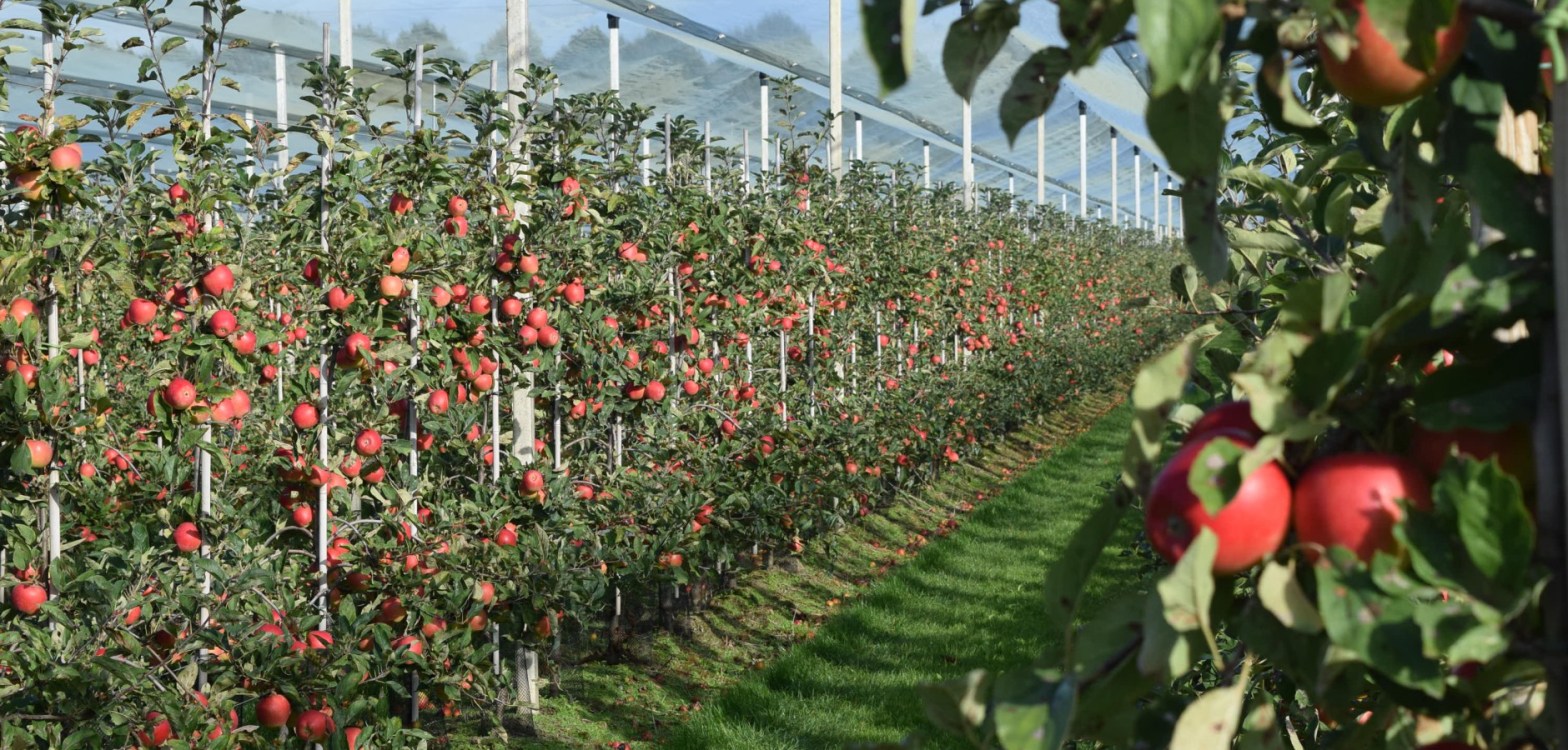

When plants become a commodity.
Plants are complex living organisms. They exist in many forms. Some are as small and common as grass. Others are as big and special as trees. “Plants are life“, the IPPC promotes their protection.
Plans are food for animals. Including our species and very small ones that can harm the health of plants. Pests like nematodes, insects and mites feed on plants. Bacteria, viruses, and fungi infect the plants. In their defense, plants secret the substances, which can harm us. Or pathogens secret toxins, which harm our health after we consume the infected plants.
Plant health scientists assess the probability of pests and pathogens being spread by imports. They focus on the possible impact on EU agriculture and the environment and propose the options for risk mitigation. Then the European Commission consults the Member States’ Authorities and adopts the measures based on Plant Health Law.
Do you know that some plants need a passport to travel across the European Union? The passports are obtained after plant health checks are done. They are issued by registered operators. Before issuing, the operators need to prove their knowledge of quarantine plant diseases and other regulated pests to the authorities.
Historically, the plant passport system replaced issuing of phytosanitary certificates among the EU Member States in single market in 1993. When the European common market was established in 1958, an official certificate had to follow every plant consignment. This was no more practical, when a free movement of goods, services, people, and capital became guaranteed. The inspection on the borders was not possible any more. It was replaced by official control at registered places of production, such as nurseries and greenhouses. Also paper certificates were replaced by official labels on the smallest packages of plants or plant products. Such labeled units still freely flow in the EU internal trade.
Internationally, phytosanitary certificates are recognized as official documents. They confirm that plants crossing state borders are healthy. These documents guarantee that the plants do not threaten the plant health in the destination country.
Regulated plants from third countries do not enter neither the EU nor other states without an approval. The officials of National Plant Protection Organization allow their entry. These are inspectors at border control posts, who check the consignment’s compliance to the import regulations.
Protecting plants, protecting life (FAO-IPPC International Year of Plant Health 2020)

Vegetable shipments cross the borders under the watchful eyes of phytosanitary inspectors.
Export of pepperoni at Nairobi airport did not pass an official inspection before an export to the EU .
The shipment was rejected due to the infestation by the EU quarantine pest.
The refusal may be avoided. This is possible if the exporter is aware of the control measures for plant diseases and pests. These are common pests in cultivation in the country of origin, but are quarantine concerns for the EU.
Sustainable trade practices include ensuring the health and safety of plants. The IT-supported solutions of phytosanitary controls using ePhyto successfully cope with e-commerce. Plant health certification has become crucial in ensuring the smooth flow of trade while mitigating risks to the growing plants. In the benefit of their and our health.
 Green Rules